Questions? Call +31 (0)40 209 2459

News

Latest news

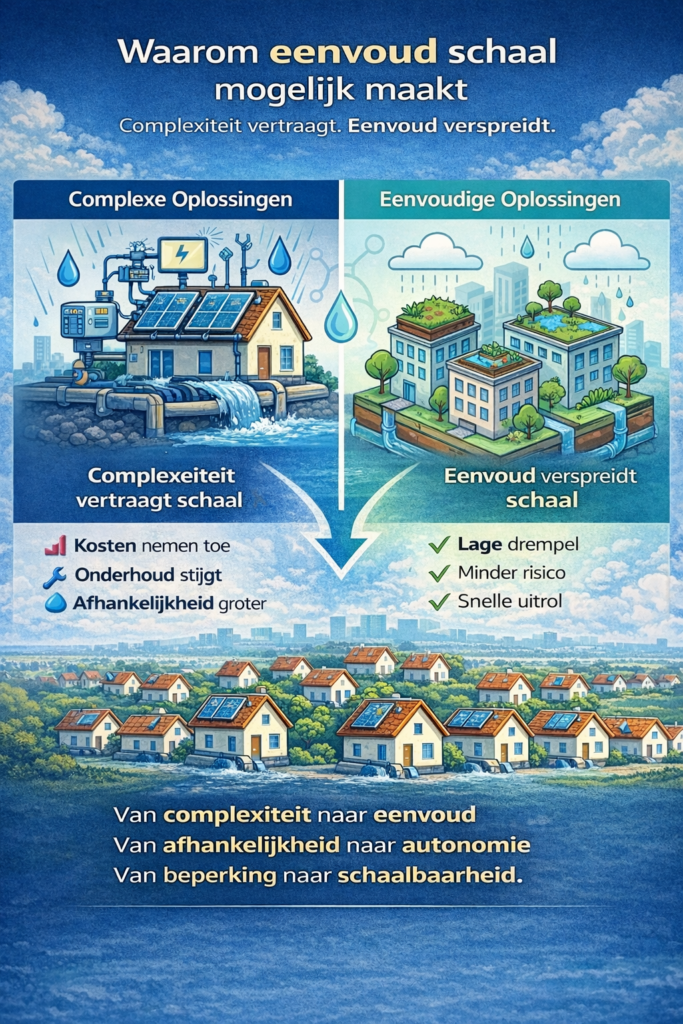
The power of simplicity 

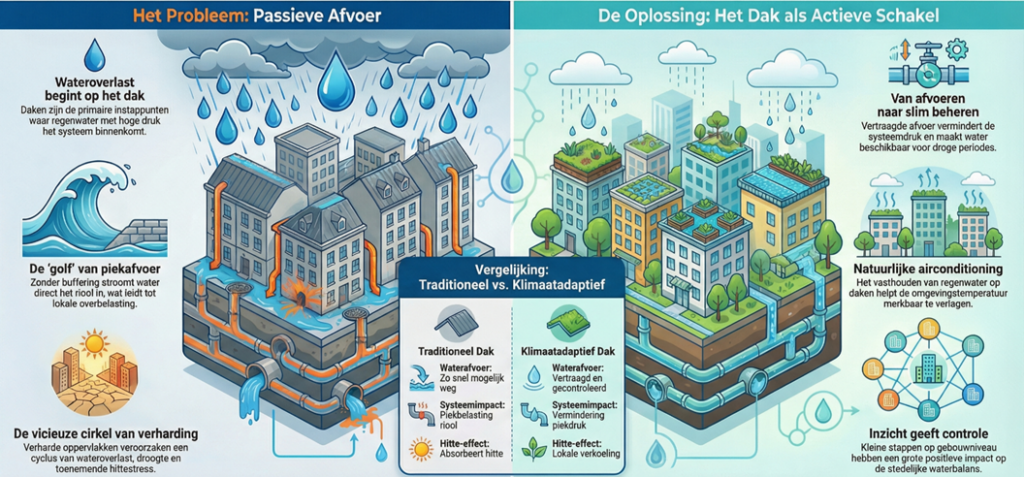
Why the best solutions are often the simplest. Traditional water management is designed around central processing: draining water as quickly as possible into a single system. But climate change increases the variability and intensity of rainfall. This increases the burden on these central systems.

Read more

Why large-scale solutions alone don't work

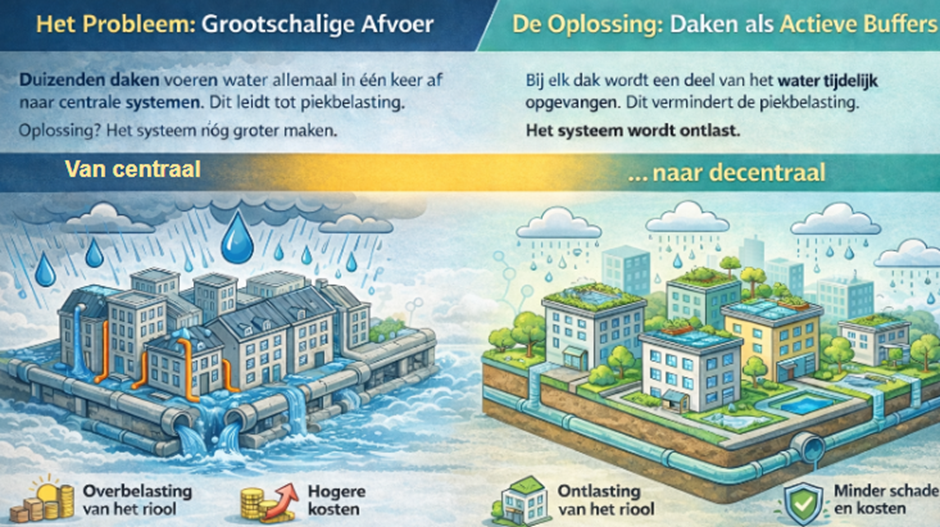
We've learned to solve water problems with large systems. Larger sewers. Larger pumps. Larger buffers. It's a logical response: if the problem is large, we make the solution larger. But there's a fundamental system flaw here. Water problems don't arise

Read more

What happens to water when it hits your roof?

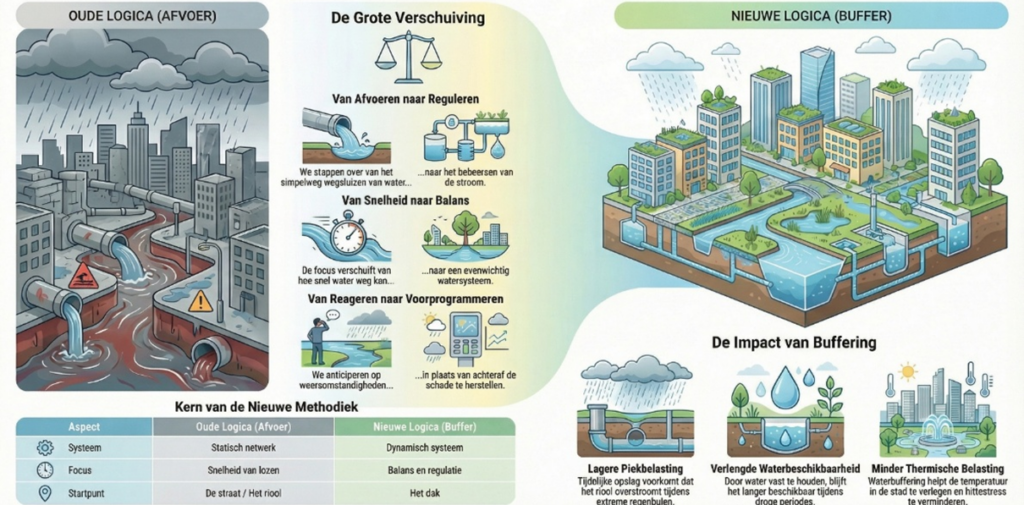
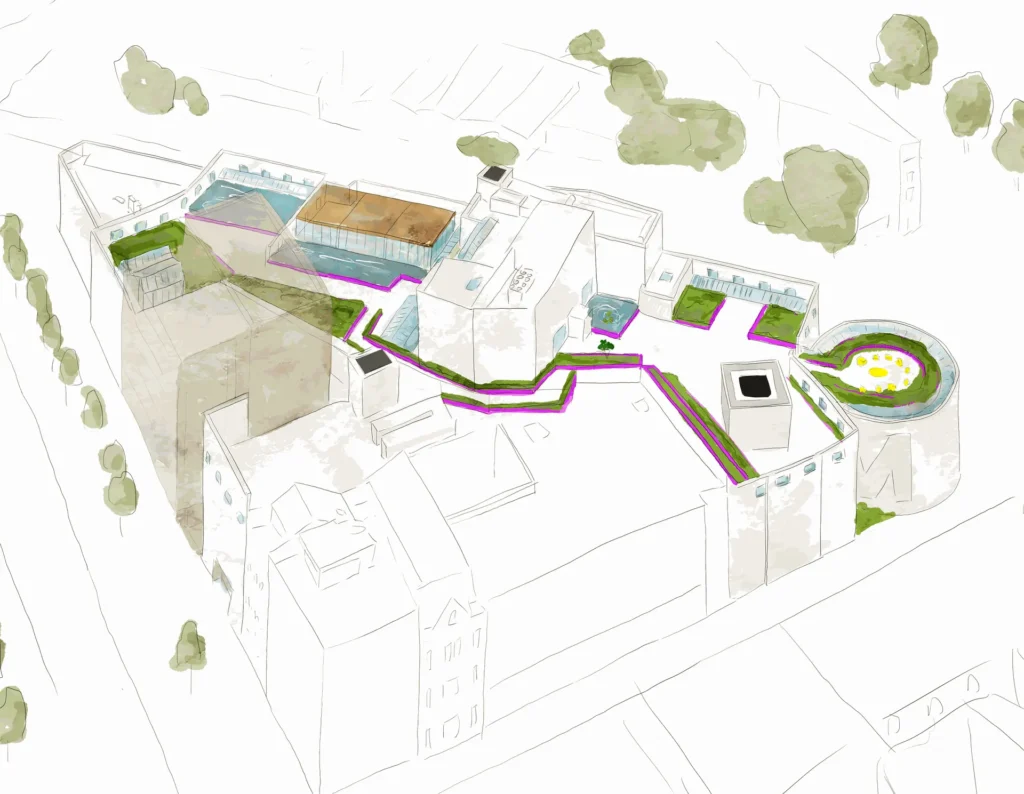
Water on the roof: a simple phenomenon, with complex consequences. When rain falls, it seems simple: water comes, water goes. But due to the combination of increasingly extreme showers and more and more paving in urban environments, rainwater ends up in systems that are not made for it. Too fast, too much, too abrupt.

Read more

Test Locatie

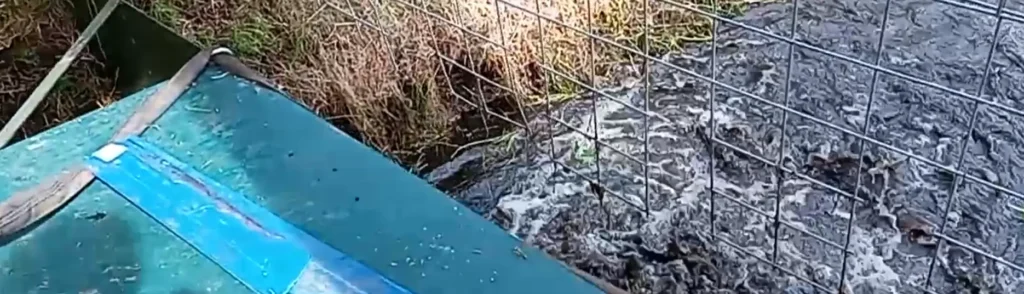
Nice and busy at our test location! We are fully engaged in the further development of our floats – for even easier adjustment and optimal operation, even with heavier flows.

Read more

Vlario days

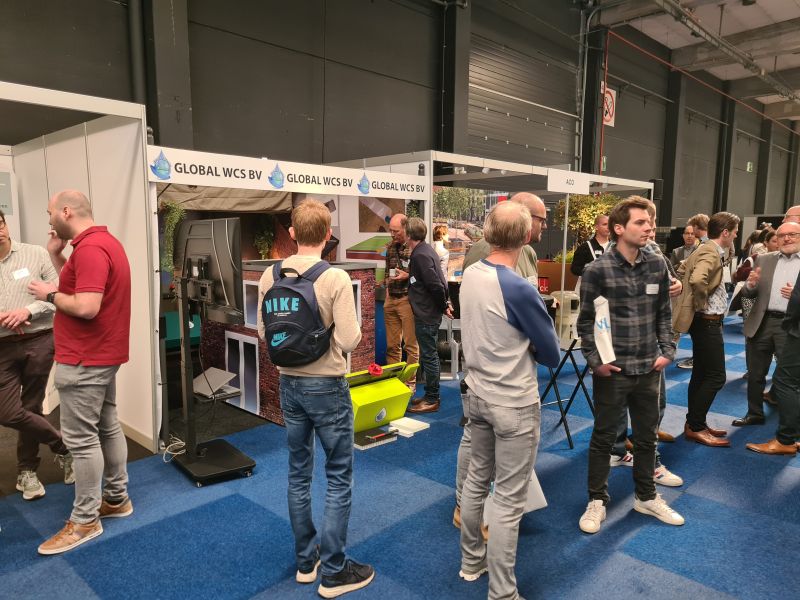
Successful day at the Vlario days! We look back on a fantastic day at the Vlario days! With a lot of run-up, positive reactions and inspiring conversations, the importance of smart water management was reaffirmed. Our innovative solutions for rainwater collection and monitoring attracted a lot of attention!

Read more

Energy calculator water

Below you will find an explanation of the impact of water volumes on energy transfers. If you close the full screen (scroll down) you can use the calculator to find specific values. Climate change presents us with major challenges: heat stress in cities, flooding due to peak rainfall and rising energy costs for heating and cooling. The Global WCS Roof System offers an innovative solution that not only reduces your energy consumption, but also contributes to a sustainable urban climate.

Read more

Heat stress, effect of water volumes on heat stress.

The urban heat island effect (UHI) is caused by buildings, roads and other infrastructures absorb and retain heat, leading to higher temperatures in cities compared to surrounding rural areas. Water surfaces, such as ponds, lakes and fountains, play a crucial role in reducing UHI through evaporation and Improved air circulation. Research shows that urban water bodies have air temperature by up to 0.9°C and reduce the surface temperature by 3.5°C (Zeeshan & Ali, 2023). This cooling is enhanced by the reflective properties and the generation of cooler air currents, which contributes to a more pleasant living environment.

Read more

Feeling for shrinkage and swelling behaviour in the soil of Flanders

The sensitivity map and the accompanying research report are the result of a research assignment in 2022-2023 commissioned by the Department of the Environment. These results were achieved together with leading companies and experts, namely Sumaqua, Buildwise and wijlen em. Prof. grondmechanica Jan Maertens. A steering group with experts from the government, universities and engineering firms helped supervise the project. The sensitivity map uses a sensitivity category to show the probability of the occurrence of shrinkage/swelling sensitive soil at a certain location, in the first 5 meters below the surface. The map divides Flanders into squares of 500*500m and of course has its limitations.

Read more